
Preparing for Your Child's First Speech and Language Assessment: A Parent's Guide
Every child deserves the opportunity to communicate with confidence. Preparing for your child’s first speech and language assessment can help you gain valuable insights, ask the right questions, and take the first step toward supporting their communication journey.
ROLE OF PARENTSSPEECH DELAYAUTISMANXIETY
For many parents, booking a speech and language assessment is an important milestone. It's natural to have questions, concerns, and even a little uncertainty about what to expect.Your child's first assessment is much more than identifying a speech delay. It is an opportunity to understand your child's communication skills, strengths, challenges, and the best path forward. Being prepared can help you make the most of the consultation and ensure that all your concerns are addressed.

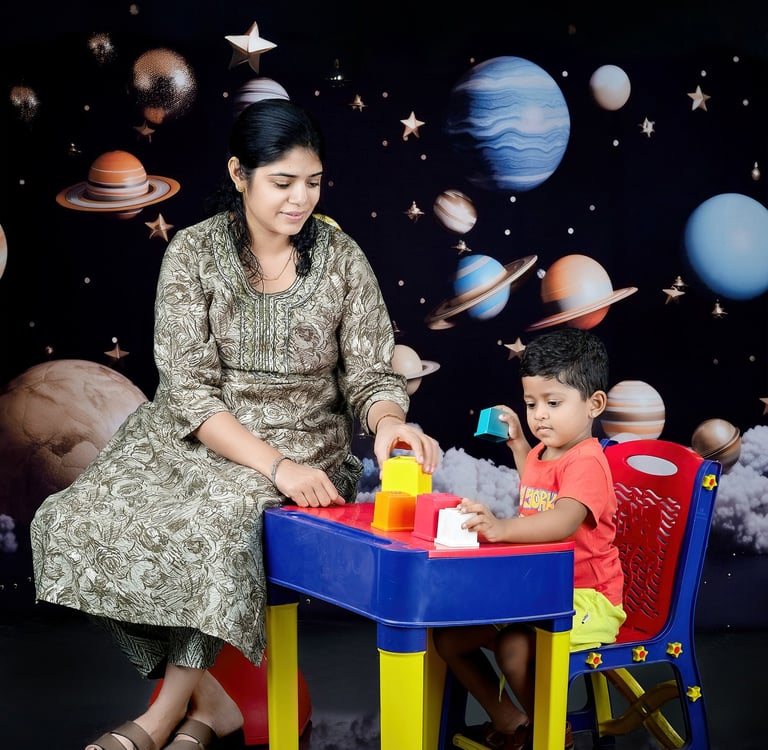
Parents often leave an assessment wishing they had asked a few more questions. To help you feel confident and informed, here are some important topics you may want to discuss with your Speech-Language Pathologist.
1. What is your overall assessment of my child?
Ask for a clear explanation of the findings. Understanding the bigger picture can help you make informed decisions about next steps.
2. What are my child's strengths and areas that need support?
Every child has strengths that can be used to support learning and development. Understanding both strengths and challenges provides a balanced view of your child's communication profile.
3. Besides speech delay, do you have any concerns about my child's overall development or signs that may suggest any other condition?
Communication development can sometimes be linked to broader developmental factors. This question helps ensure that any additional concerns are identified early.
4. Does my child need any additional evaluations or tests before starting therapy?
In some cases, an SLP may recommend further assessments, such as :
Hearing evaluations
Developmental assessments
Occupational therapy evaluations
Psychological or behavioral assessments
Understanding whether additional evaluations are needed can help create the most effective intervention plan.
5. What are the most important goals for my child over the next three months?
Therapy works best when goals are clear and measurable. Ask your therapist which skills they will prioritize and why those goals are important for your child's development.
6. What therapy plan do you recommend?
Discuss about :
How often therapy is needed
Individual versus group sessions
Expected duration of therapy
Reasons behind the recommended approach
Understanding the rationale behind the therapy plan can help you feel confident in the treatment process.
7. What can we do at home every day to support our child's communication?
Parents play a vital role in their child's progress. Small daily interactions can have a significant impact on communication development.
Ask your therapist for:
Home practice activities
Communication strategies
Recommended books, games, or routines
Ways to encourage language during everyday activities
8. When can we realistically expect to see progress?
Every child develops at their own pace. While it is impossible to predict exact timelines, your therapist can help set realistic expectations based on your child's individual needs.
🔍 What Happens During an Initial Speech and Language Assessment ?
During the assessment, a Speech-Language Pathologist (SLP) will observe and evaluate various aspects of your child's communication and development. Depending on your child's age and needs, the assessment may include:
Understanding and following instructions
Expressive language (using words, phrases, and sentences)
Speech sound development
Social communication skills
Play skills
Attention and engagement
Feeding or oral motor skills, if relevant
The assessment also includes a discussion with parents, as your observations provide valuable information about your child's development and daily communication experiences.
❓Questions You May Wish to Ask During the Consultation
📋How Parents Can Prepare Before the Appointment
To make the assessment as productive as possible, consider :
Bringing any previous reports or evaluations
Making notes about your concerns
Recording examples of communication behaviors you have observed
Listing questions you would like to ask
Bringing your child's favorite toys or comfort items if appropriate
The more information you can share, the better we can understand your child's needs.
🤝Remember: You Are an Important Part of the Team


Successful therapy is built on a partnership between families and professionals. Your observations, questions, and involvement play a vital role in helping your child achieve their communication goals. Remember, there are no "wrong" questions during an assessment.
Every child is unique, and our goal is to understand their individual strengths and challenges so we can work together to create a meaningful path toward communication success. We look forward to partnering with your family on this journey. 💙
Contacts
rosesspeechtherapy@gmail.com
call /whatsapp : 9400804738


Locations
1. Parkland Apartment, Rice Bazar Thrissur
2. Sankarraiyyar junction, Poothole Road Thrissur